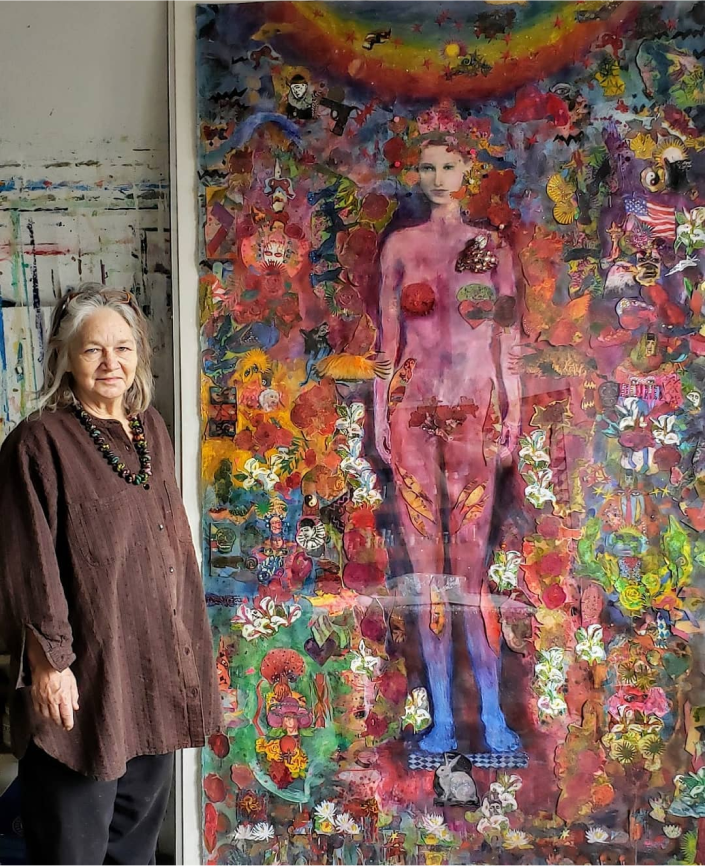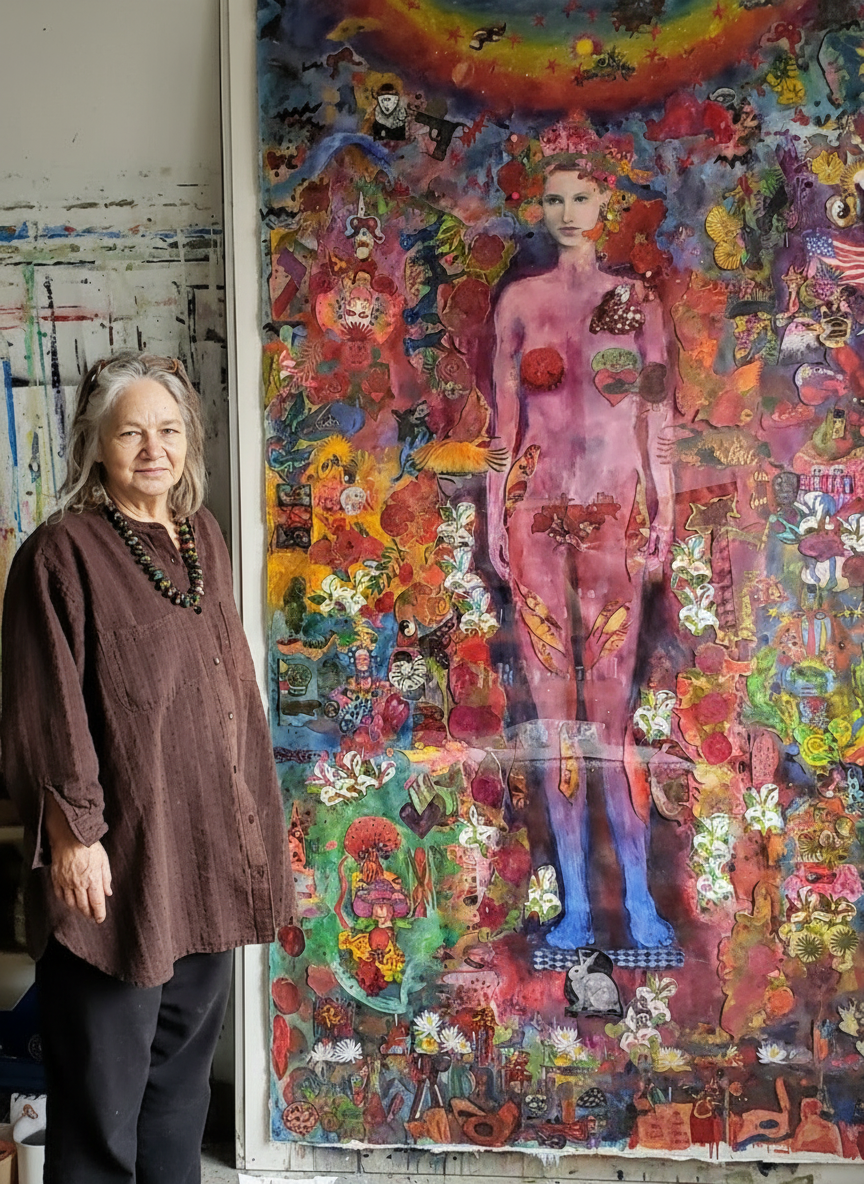
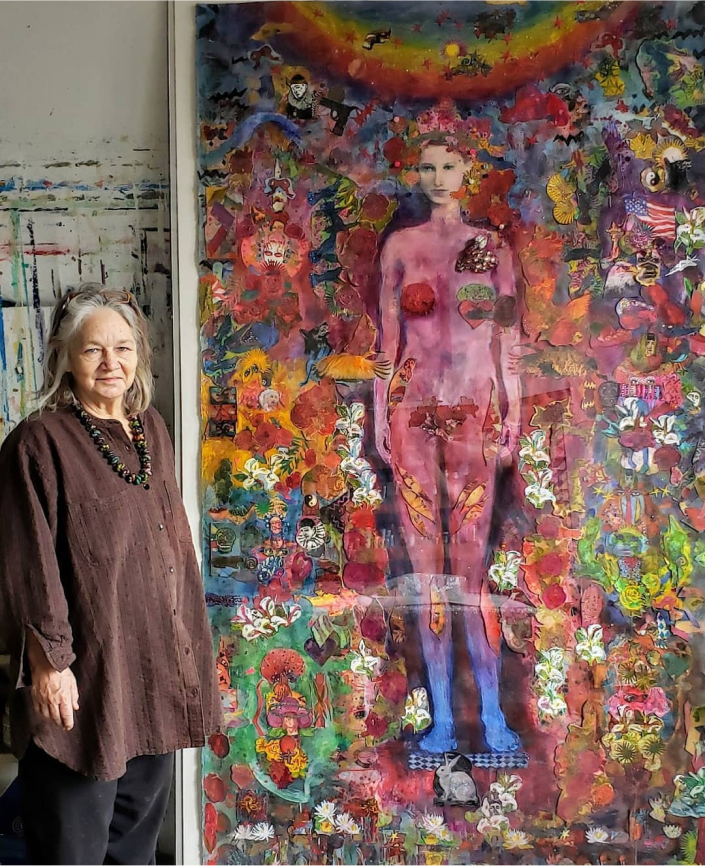
Halena Cline lives in Northern Kentucky and has worked as a studio drawing artist for most of her adult life. She has worked in a studio at the Pendleton Art Center in Cincinnati, Ohio since 1990.
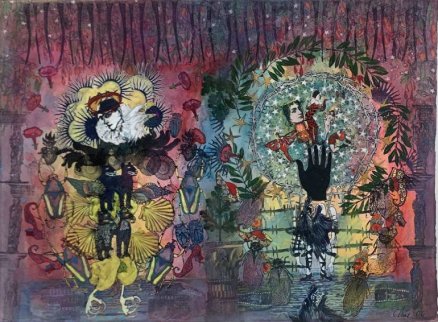
Her work is known nationally and is held in many national and international collections. She produces drawing artworks by using mediums that are experimental as well as those that are more traditional; and used in creative ways.
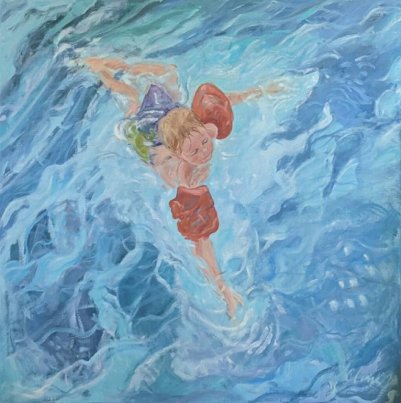
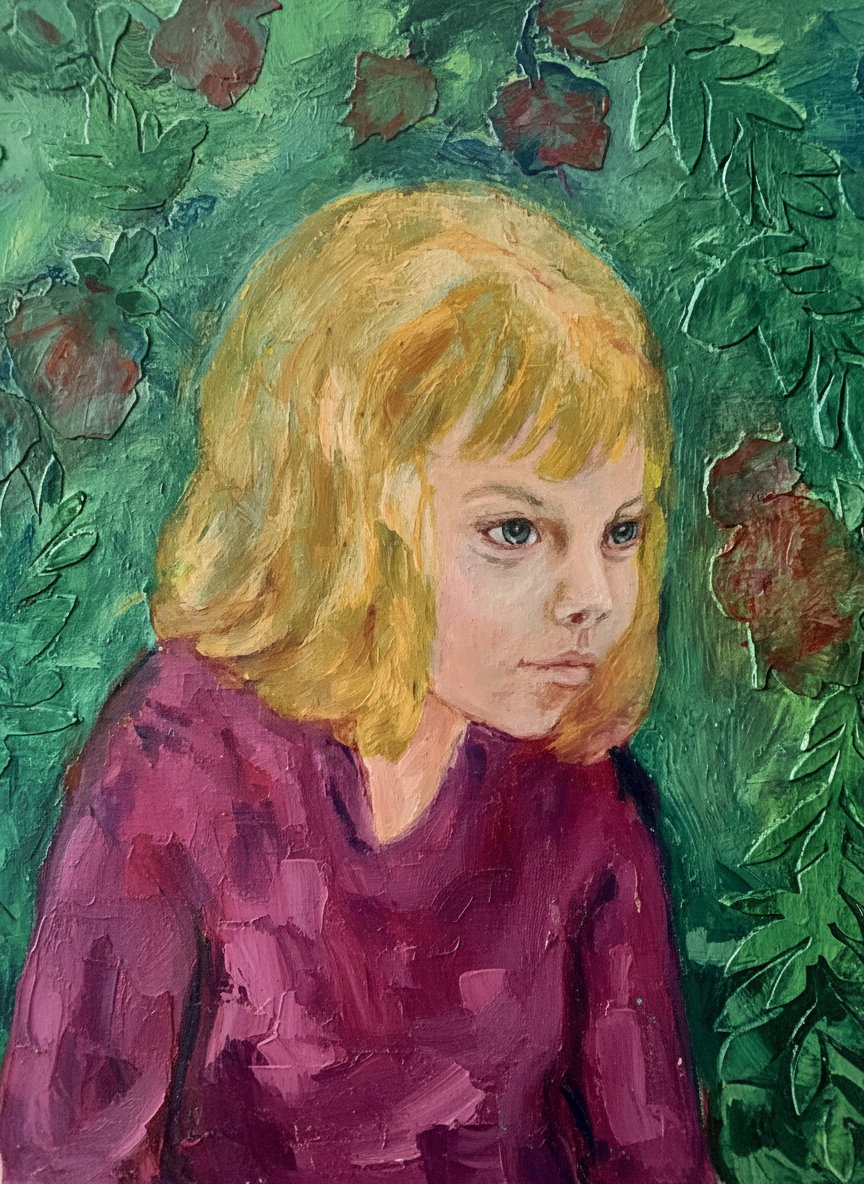
She maintains originality in her famous oil paintings to children’s and women’s issues and those who are vulnerable in today’s society.
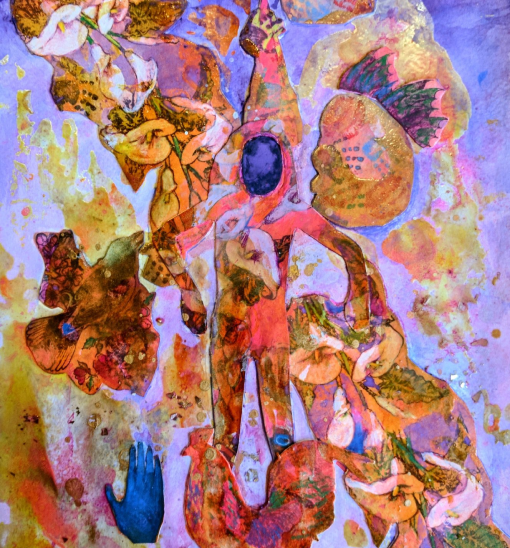
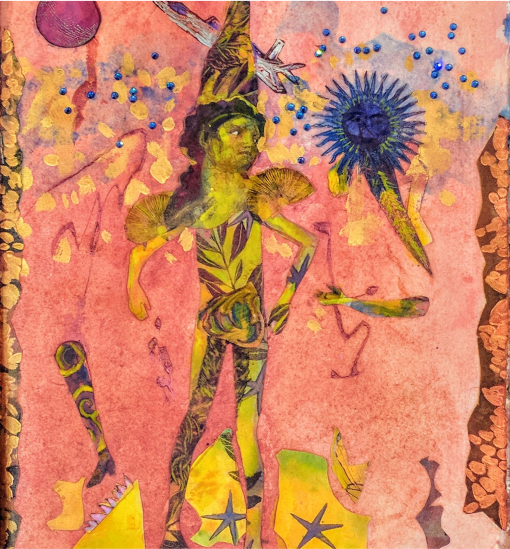
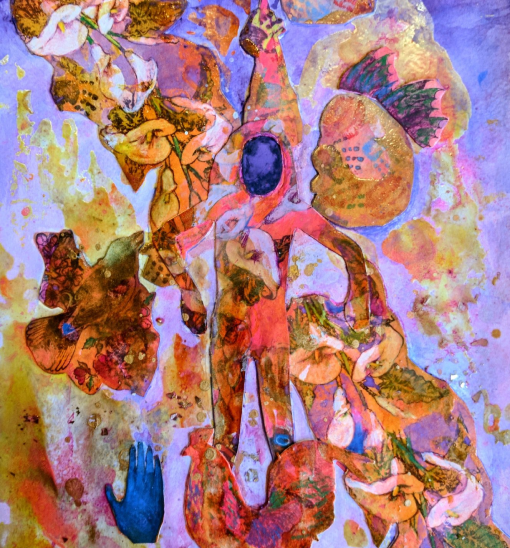
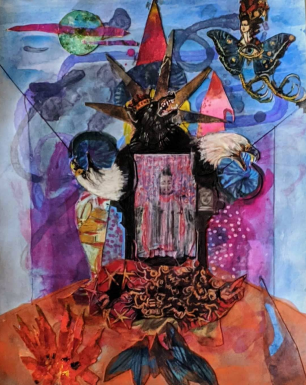
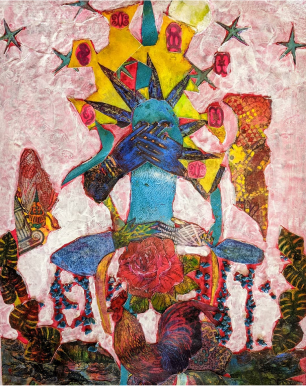
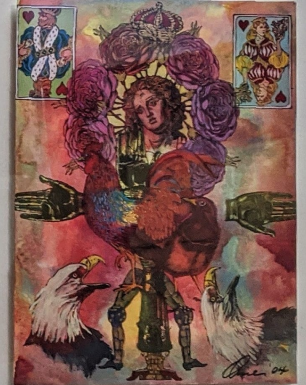
These collage pieces are from a series of Halena’s famous oil paintings, which use the cut-out silhouette of a young child as the focal point. The child is awkwardly posed, hunched forward with her arms drawn upward by the elbows and her legs turned inwards.
Superimposed on the figure’s torso, is the skeleton of a dress form, with stacked blue hoops and spirals at the chest. Below the torso is a dangling cherry, which hangs just above the knee.
The expressive life of painter Halena Cline, as told to Candi S. Cross, takes us from a dramatic childhood growing up with five sisters in the rolling hills of Kentucky, to champagne-soaked art binges all over the world, hard-earned solo and group exhibits, and the emotional flashpoints of escaping a cult and risking it all. Halena’s tragic and triumphant experiences are reflected in her original oil paintings for sale online, documented in staggering exploration and emotion. EATING PAINT showcases twenty of her most astonishing works.
“Even though there is no one definition of what constitutes a drawing artist, through Halena’s victorious story, we can feel the power of art to express, heal, make sense of our experiences, resolve conflict, and give us alternative ways to grow, reinvent and feel joy.”
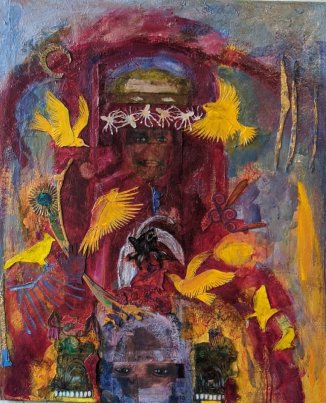
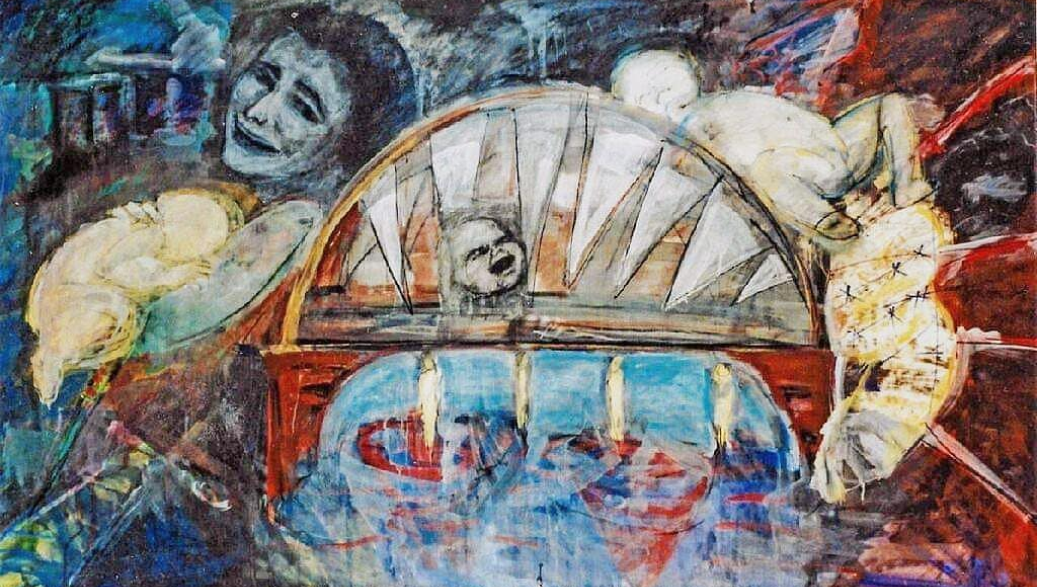
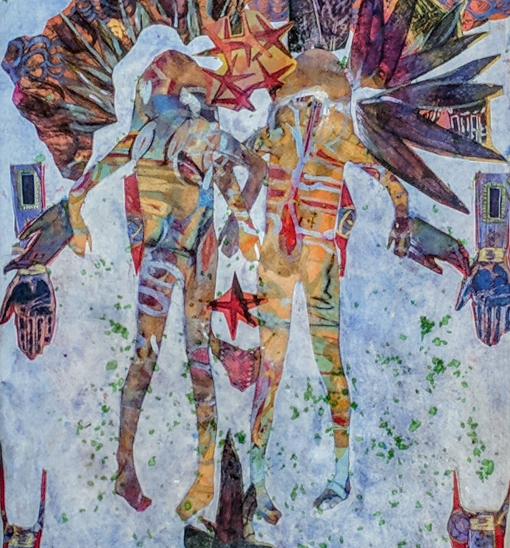
“The Dream” delves into the artist’s personal life, as the titular figure is Cline’s daughter, Jessica and her new born son. Cline’s family members commonly appear throughout her works in dream-like scenes with fantastical costuming and alterations.
Cline’s Innocence Series, which utilizes the recurring silhouette of a young child as the focal point of the piece. The adolescent form is posed awkwardly, with both elbows drawn upwards like a marionette doll and the feet turned inwards.